


Your money isn't really yours
You earned it. It's sitting in your account. You can see the balance on your phone. But when you try to spend it, transfer it, or withdraw it, your bank decides whether you're allowed to.
This isn't hypothetical. This is happening every single day to ordinary people across the UK. Payments blocked mid-transaction. Accounts frozen without warning. Entire banking relationships terminated with a letter that says nothing more than "we've decided to close your account."
No court order. No criminal charge. No legal obligation to tell you why.
Lloyds, NatWest, Barclays, Santander, HSBC: every major UK bank is doing this. The man at the Santander counter being told he can't access his own money isn't an outlier. He's a symptom of a system where banks have given themselves the authority to control how you use your own funds, with virtually no accountability.
The scale is staggering. The Financial Ombudsman Service receives tens of thousands of complaints every year about account restrictions, blocked payments, and unexplained closures. And those are only the people who know they can complain. For every complaint filed, dozens more people simply accept it, because they believe the bank has the right to do this.
They don't. Or at least, not in the way they're doing it.
A Santander customer asked to provide evidence just to spend their own money, at the counter, in their own branch.
personCredits: @your_daily_dose_of_newss on Instagram
How banks control your spending
The mechanisms are varied, but the result is always the same: you can't use your own money. Here's what it looks like in practice.
Blocking transfers over arbitrary thresholds
Try to send more than a few hundred pounds, sometimes as low as £300, and the payment is held. You'll get a notification, or a call, or a message in your app asking you to "confirm" the transaction. Sometimes confirming it works. Sometimes confirming it triggers a further review that takes hours or days. Sometimes the payment is simply declined with no option to retry.
Demanding proof of your own spending
Banks now routinely demand screenshots, contracts, invoices, and proof of purpose before they'll "approve" your payment. Buying a car? They want the listing. Paying a builder? They want the quote. Sending money to family abroad? They want to know the relationship, the recipient's address, and the reason for the transfer. You are not applying for a loan. You are trying to spend money you already own.
Freezing accounts for days or weeks
A single flagged transaction can result in your entire account being frozen. Not just the payment in question: everything. Direct debits bounce. Standing orders fail. Your salary arrives and you can't touch it. Bills go unpaid. Late fees accumulate. And the bank's "review team" operates on their own timeline, with no obligation to resolve it quickly.
The gambling double standard
Here's the one that exposes the entire system. Banks will allow thousands of pounds in gambling transactions without a single intervention. Bet £500 on a horse? No problem. Lose £2,000 in an evening at an online casino? The payment sails through. But try to transfer £800 to pay a tradesperson and suddenly "this looks unusual" and the payment is blocked pending review.
If this were genuinely about protecting customers, gambling losses would be the first thing flagged. They aren't, because gambling merchants pay interchange fees that generate revenue for the bank. The "protection" is selective, and the selection criteria have nothing to do with your wellbeing.
Real example: A Lloyds customer tried to transfer £2,000 to a family member. The payment was blocked. They called the bank, provided ID, explained the purpose, and were told the payment was "under review." Three days later: still blocked. No resolution. No explanation. No compensation for the missed payment on the other end. They eventually had to withdraw cash over three separate branch visits to move their own money.
The "fraud prevention" excuse
Ask your bank why they blocked your payment and you'll get some variation of the same answer: "We're protecting you from fraud."
It sounds reasonable. Fraud is a real problem. But the reality is far more cynical than the marketing suggests.
Banks aren't blocking your payments to protect you. They're blocking your payments to protect themselves. Under the PSR's mandatory reimbursement rules, banks are now liable to reimburse victims of authorised push payment (APP) fraud. That means every payment they fail to stop that turns out to be a scam is money out of their pocket.
So the algorithm is calibrated for maximum caution. If it flags a payment and the payment was legitimate, the bank faces no consequences; you're just inconvenienced. If it doesn't flag a payment and the payment was fraud, the bank has to reimburse you. The incentive structure is obvious: block everything suspicious, and define "suspicious" as broadly as possible.
The result? A system that treats every customer as a potential fraud risk by default. Your payment history, your spending patterns, your salary: none of it matters. The algorithm doesn't know you. It doesn't care about context. It sees a number, applies a rule, and blocks the payment. You become collateral damage in the bank's liability management strategy.
And when it gets it wrong (which it does, constantly), there's no recourse. No explanation. No appeal. No compensation for the missed payment, the bounced direct debit, the late fee on your mortgage, or the three days you spent unable to access your own money.
The FCA's complaints data shows that payment and account-related complaints have surged year on year. Banks know this is happening. They've calculated that the cost of customer complaints is lower than the cost of fraud reimbursement. Your inconvenience is a line item in their risk model.
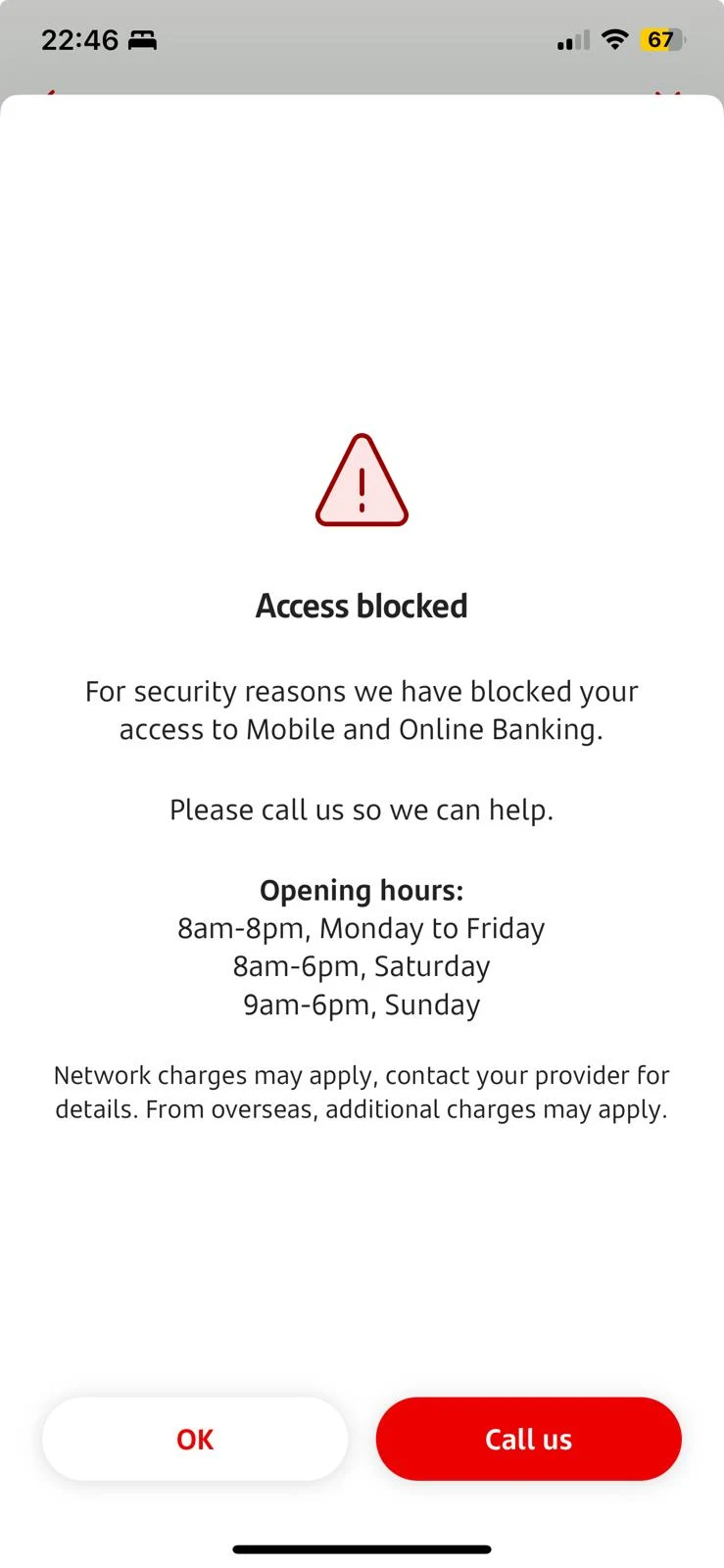
A real Santander customer's mobile app, locked out of their own account entirely. No explanation given, no timeline for resolution. The only option: call during business hours and wait.
When blocking becomes a CIFAS marker
This is where bank account controls stop being an inconvenience and become life-altering.
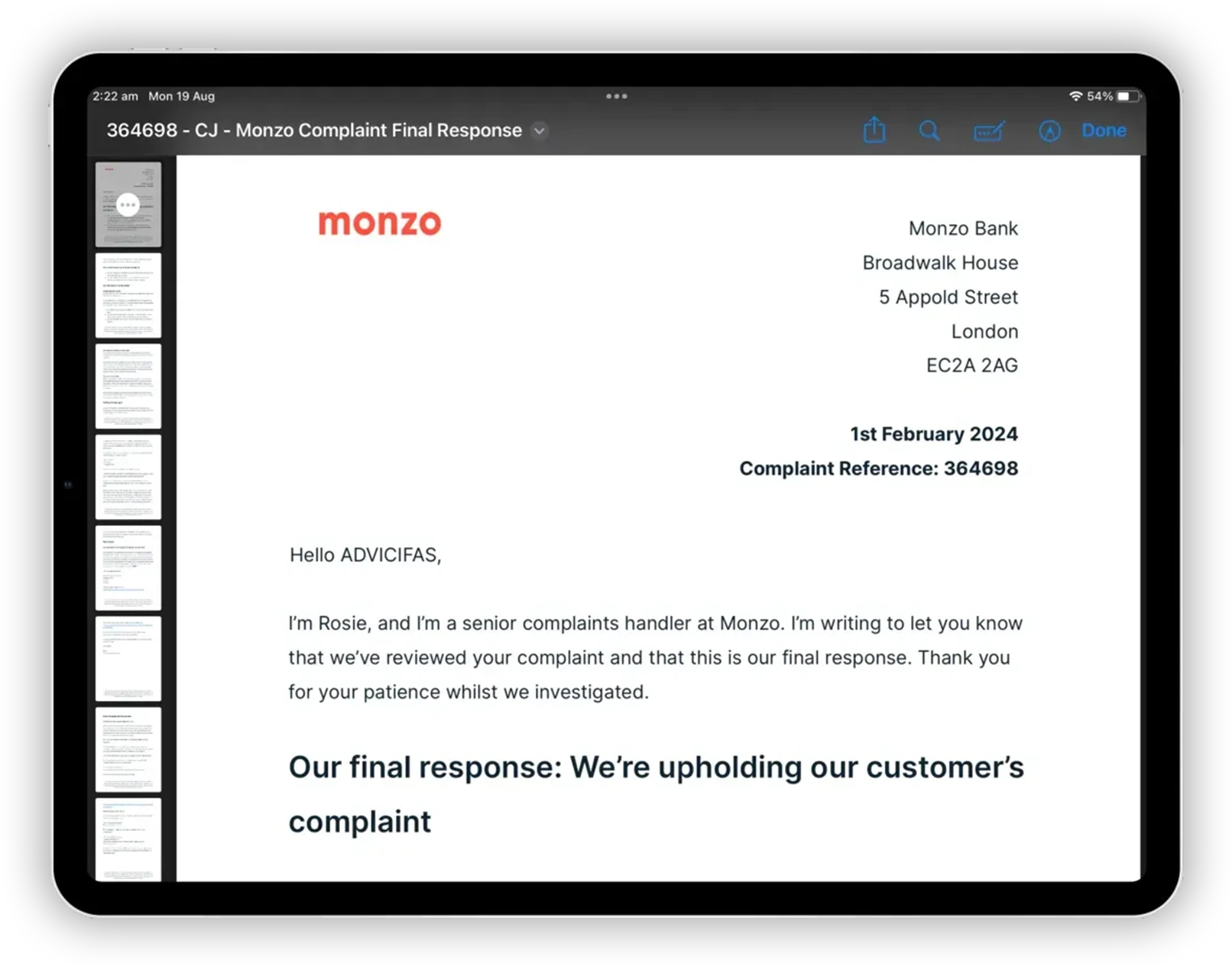
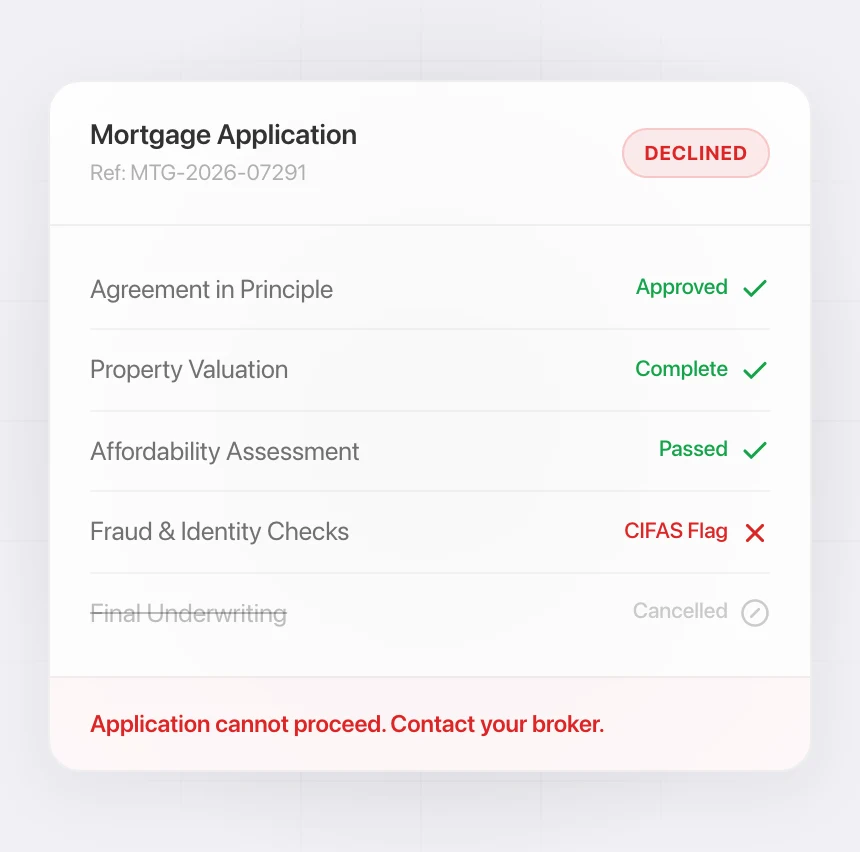
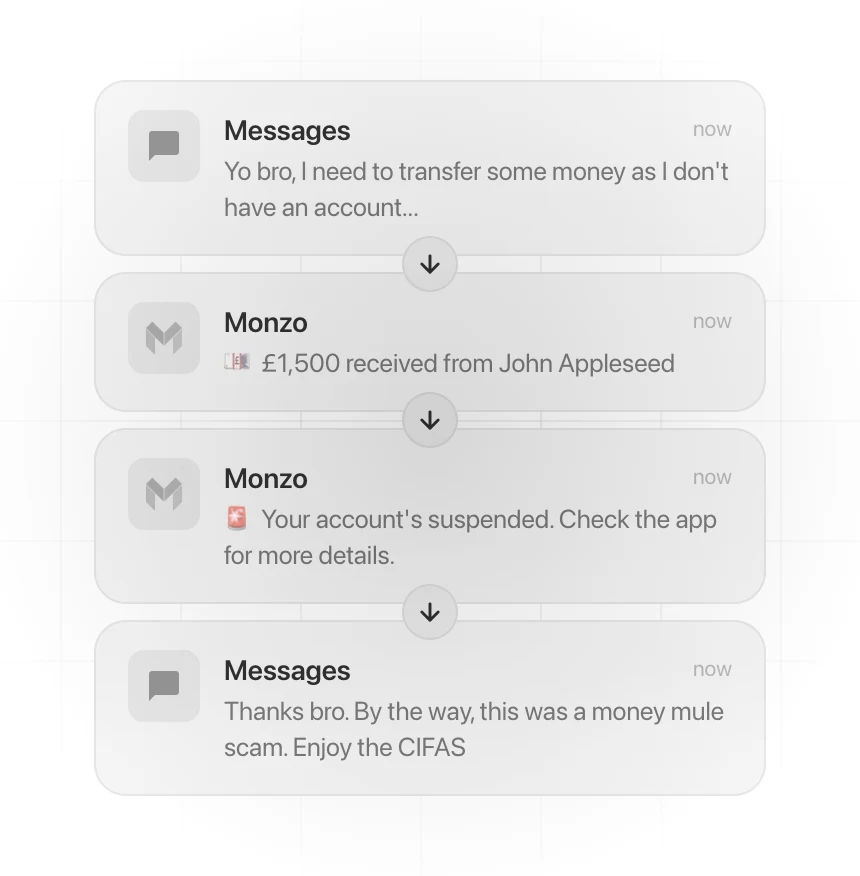
When a bank blocks your account and decides you're "suspicious", the next step is often an internal fraud investigation. That investigation is conducted entirely by the bank: no independent oversight, no requirement to inform you, no obligation to consider your side of the story. And when that investigation concludes that your activity was "fraudulent" (based on their algorithm, their assessment, their definition), they file a CIFAS marker against you.
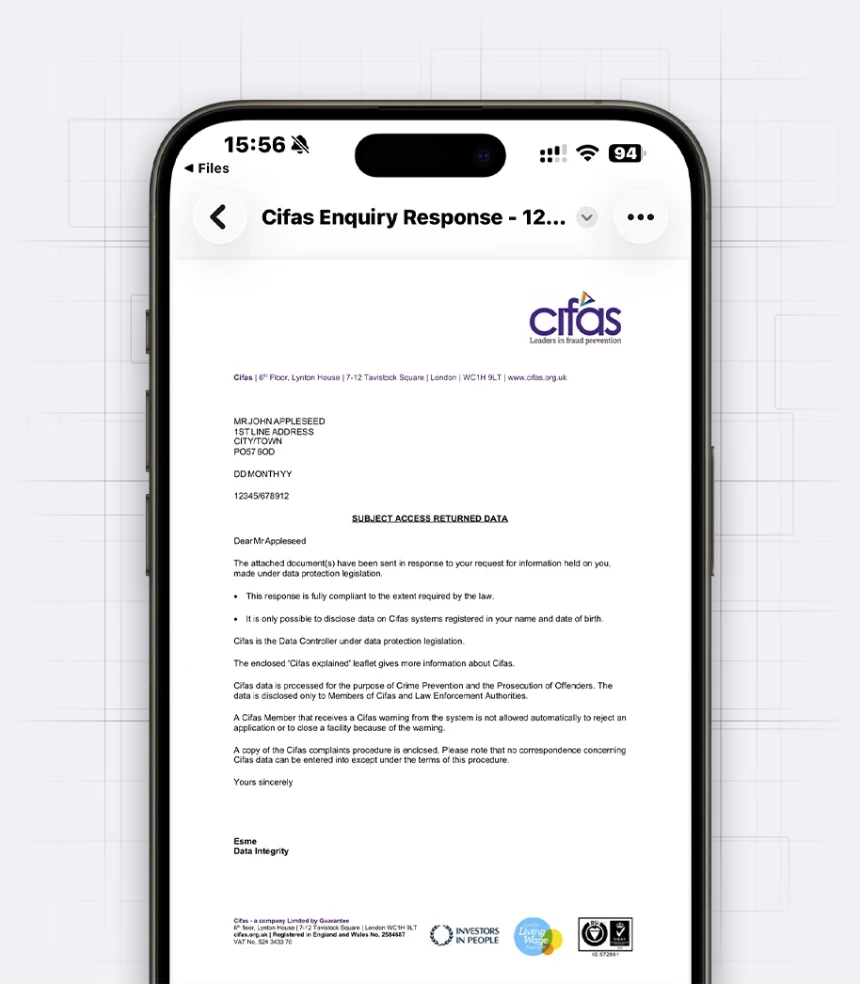
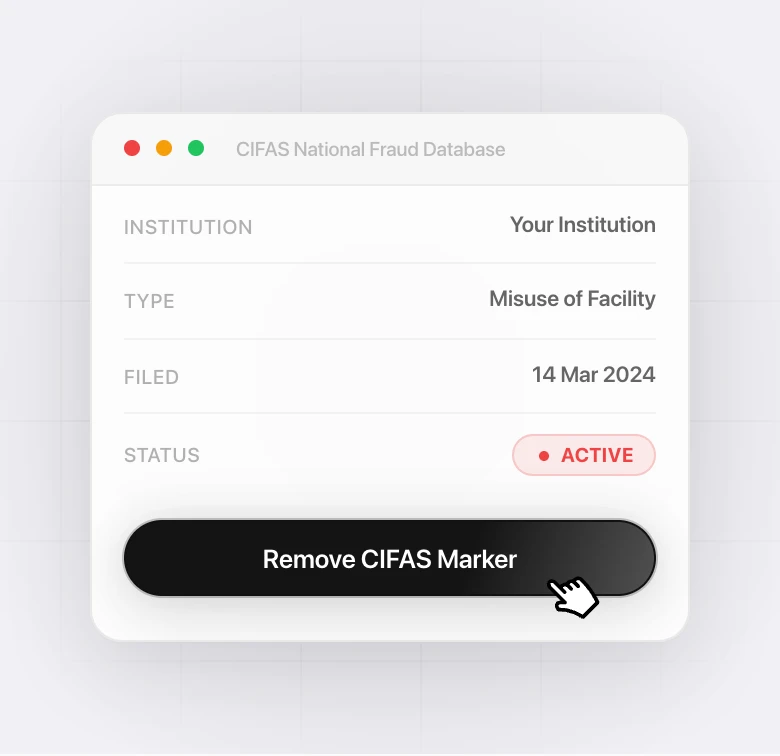
A CIFAS marker is a fraud flag on a shared database visible to over 775 organisations: banks, lenders, insurers, telecoms, landlords, employers. It stays there for six years. And it is filed unilaterally, without your knowledge, without a hearing, and without any requirement to prove that you actually committed fraud.
The consequences are devastating:
- Your account is closed, typically with 60 days' notice, sometimes immediately.
- You can't open a new bank account: every bank checks the CIFAS database. They all see the marker. They all decline. (See our guide to bank accounts that accept CIFAS markers.)
- Mortgage applications are refused. Car finance rejected. Credit cards declined. Insurance premiums inflated or policies refused outright.
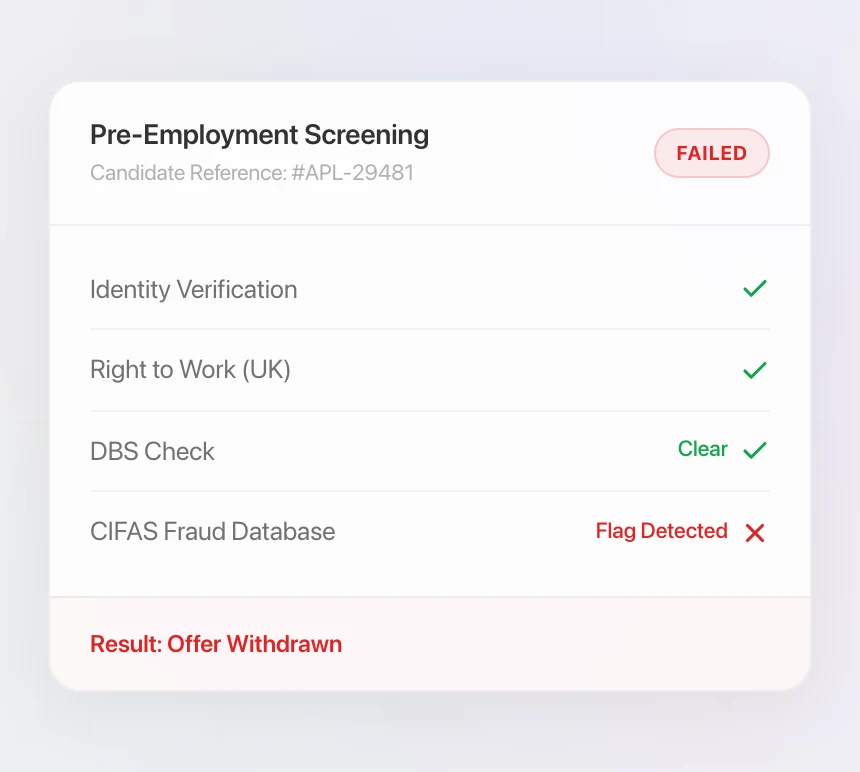
- Employment checks fail. An increasing number of employers (particularly in financial services, healthcare, and government) run CIFAS checks as part of their hiring process.
- You're effectively blacklisted across the entire UK financial system, based on one bank's internal suspicion, not evidence, not a conviction, not a court order.
The bank's fraud prevention algorithm, the same one that blocks your £400 transfer to a builder, just destroyed your financial life for six years. And you weren't told it was happening until you started getting declined for everything.
If you've had a CIFAS marker filed against you, it can be challenged and removed. Read our CIFAS Marker Removal Guide for the full process. If you know which institution filed it, see our institution-specific removal guides for targeted strategies.
What the law actually says
Banks act as though they have unlimited authority to block, freeze, and close accounts at will. They don't. UK law places specific obligations on payment service providers: obligations that most banks routinely ignore because nobody challenges them.
Payment Services Regulations 2017
The Payment Services Regulations 2017 (PSR 2017) are the primary legislation governing how banks handle your payments. Under Regulation 76, payment service providers must execute authorised payment transactions without undue delay. Under Regulation 79, if a payment is refused, the bank must notify you of the refusal, the reasons for it, and the procedure for correcting errors, unless doing so would compromise security measures or is prohibited by other legislation.
In practice, most banks cite "security" as a blanket exemption and provide no explanation whatsoever. The regulation was designed with targeted law enforcement requests in mind, not mass automated blocking of customer payments. The way banks use this exemption stretches the legislation far beyond its intent.
FCA Principles for Business
The FCA Principles for Business apply to every regulated financial firm. Principle 6 requires firms to pay due regard to the interests of customers and treat them fairly. Principle 7 requires firms to communicate information in a way that is clear, fair and not misleading.
Blocking a payment with a vague message saying "this looks unusual" and providing no further information does not meet the Principle 7 standard. Freezing an entire account for weeks because of a single flagged transaction does not meet the Principle 6 standard. But banks continue to do it because the FCA rarely enforces these principles at the individual complaint level.
Banking Conduct of Business Sourcebook (BCOBS)
The BCOBS applies specifically to retail banking. It requires banks to provide banking services with reasonable care and skill, to communicate with customers in a way they can understand, and to act in good faith. Freezing an account for weeks, blocking legitimate payments without explanation, and closing accounts without clear reasoning all arguably breach BCOBS. It's the most directly applicable rulebook, and the one banks least expect customers to cite.
FCA Consumer Duty
Since July 2023, the FCA Consumer Duty has required firms to deliver good outcomes for retail customers. This includes the "consumer understanding" outcome (firms must ensure customers understand the information they're given) and the "consumer support" outcome (firms must provide support that meets customers' needs).
An account freeze with no explanation, no timeline, and no accessible complaints process fails both outcomes. The Consumer Duty is the strongest regulatory tool available to customers right now, and most people don't know it exists. If your bank has blocked your payments or frozen your account without clear communication and a reasonable resolution timeline, they are likely in breach of the Consumer Duty.
Banks rely on the assumption that customers won't challenge them. The law is on your side, but only if you use it. Every complaint that cites specific legislation costs the bank time, money, and regulatory risk. That's how you change the calculation.
What you can do
You are not powerless. The system is designed to make you feel like you are, but there are specific, practical steps that force banks to engage, explain, and resolve.
1. Request a written explanation
Under the Payment Services Regulations 2017, your bank must provide reasons for refusing a payment. Ask for it in writing. Be specific: cite Regulation 79 and request the exact reason the payment was blocked. A written request creates a paper trail and triggers the bank's formal complaints process.
2. Make a formal complaint
Every UK bank must have a formal complaints procedure. Once you file a complaint, the bank has eight weeks to respond with a final resolution. If they don't resolve it within eight weeks, or if you're unhappy with their response, you can escalate immediately.
3. Escalate to the Financial Ombudsman
The Financial Ombudsman Service is free to use and does not require legal representation. They can order the bank to explain their actions, compensate you for financial losses and distress, and, crucially, instruct the bank to change their practices. Ombudsman decisions are binding on the bank.
4. Submit a Subject Access Request
Under UK GDPR Article 15, you have the right to a copy of all personal data the bank holds on you, including internal fraud investigation notes, risk assessments, and decision logs. A Subject Access Request (SAR) forces the bank to disclose what triggered the block and what evidence they relied on. This information is often devastating to their position, because the internal notes frequently show that the decision was automated, arbitrary, or based on assumptions rather than evidence.
5. If a CIFAS marker has been filed, challenge it
If your bank has closed your account and filed a CIFAS marker, you have the right to challenge it at any point during the six-year period. The marker must meet the CIFAS Principle 4 standard: reasonable grounds to believe fraud was committed, backed by clear, relevant and rigorous evidence. If the bank can't show that, the marker must be removed.
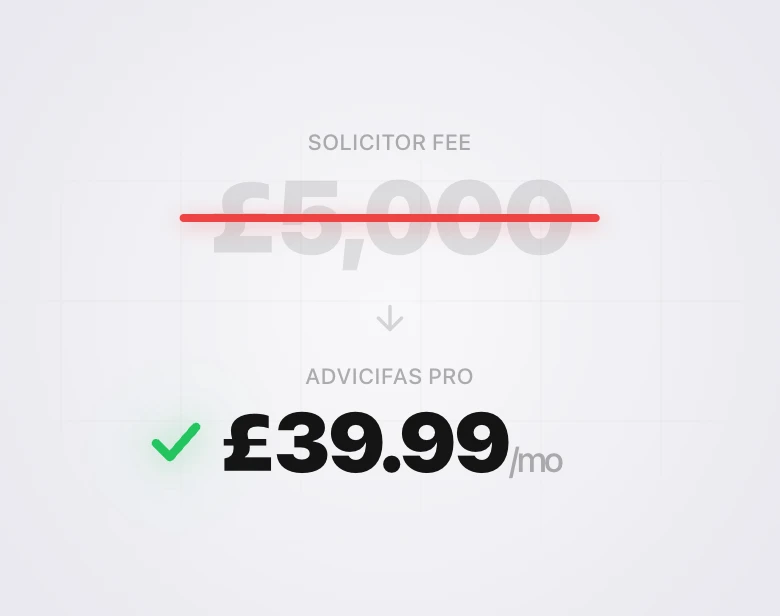
If a CIFAS marker has been filed against you, ADVICIFAS Pro Kit gives you access to verified banks and EMIs that accept CIFAS-marked customers. £3.99/month, cancel anytime. Stop getting rejected. Find verified banking options now.

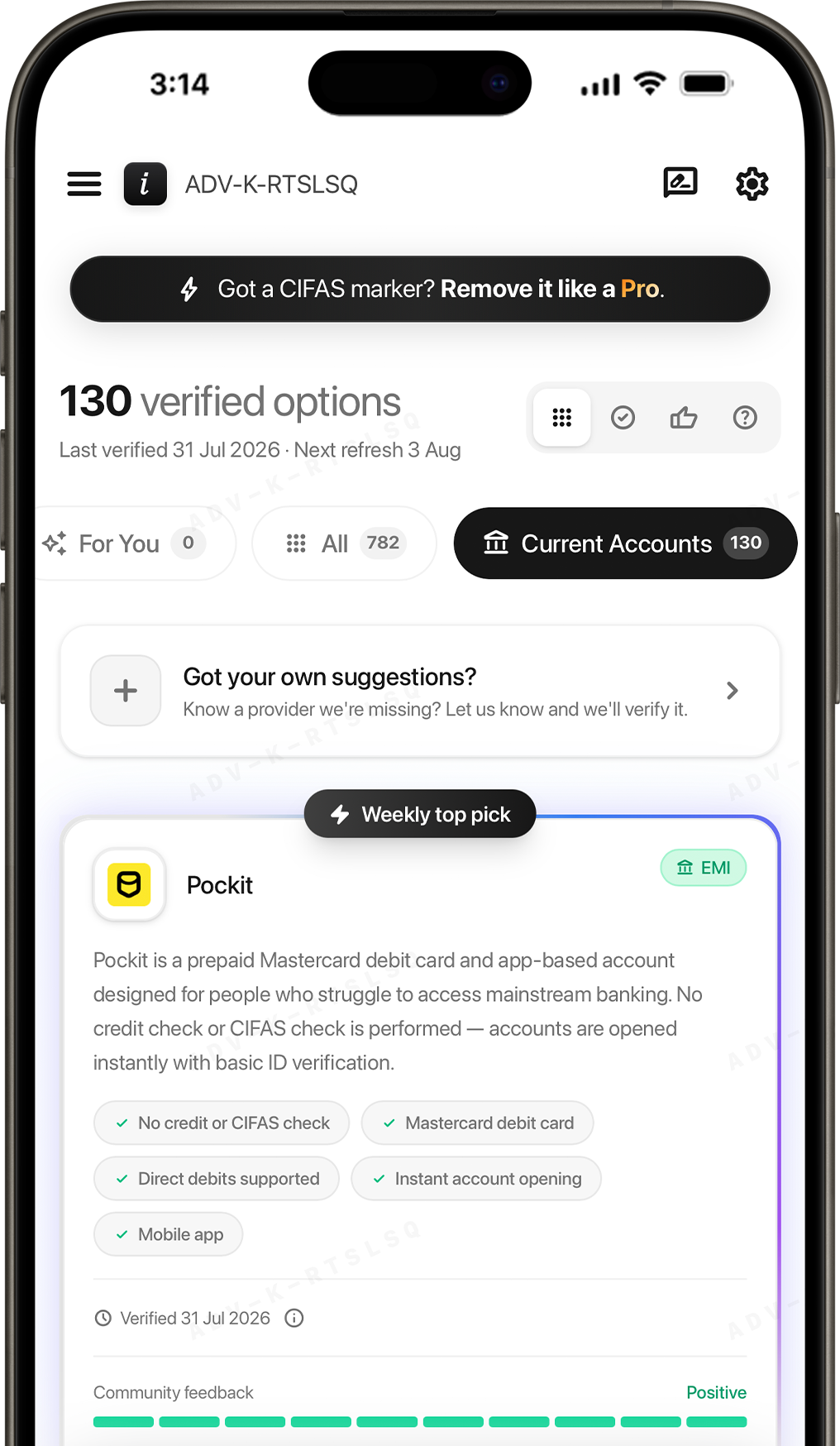
ADVICIFAS Pro Kit
Bank, Even With
a CIFAS Marker.
Stop getting rejected. We've found the ones that actually say yes. Hundreds of verified financial options that accept CIFAS-marked customers. £3.99/mo, cancel anytime.
Your bank works for you; start acting like it
The relationship between you and your bank is not a parent-child dynamic. It's a commercial contract. You deposit your money. They hold it. They invest it. They profit from it. In return, they provide you with access to payment systems. That's the deal.
Somewhere along the way, banks decided that "access" was conditional: that they could block, freeze, and close at will, and you'd just accept it. And for most people, that's exactly what happens. The letter arrives, the account closes, and they move on, poorer, angrier, and none the wiser about the CIFAS marker that was just filed against them.
But the law hasn't changed. Your rights haven't changed. The Payment Services Regulations still require timely execution and clear communication. The FCA Principles still require fair treatment. The Consumer Duty still requires good outcomes. The only thing that's changed is that banks have stopped expecting you to hold them accountable.
Prove them wrong. Request explanations. File complaints. Escalate. And if a CIFAS marker has been filed, find verified banking options with ADVICIFAS Pro Kit. The six-year clock is already running.