You find out the hard way
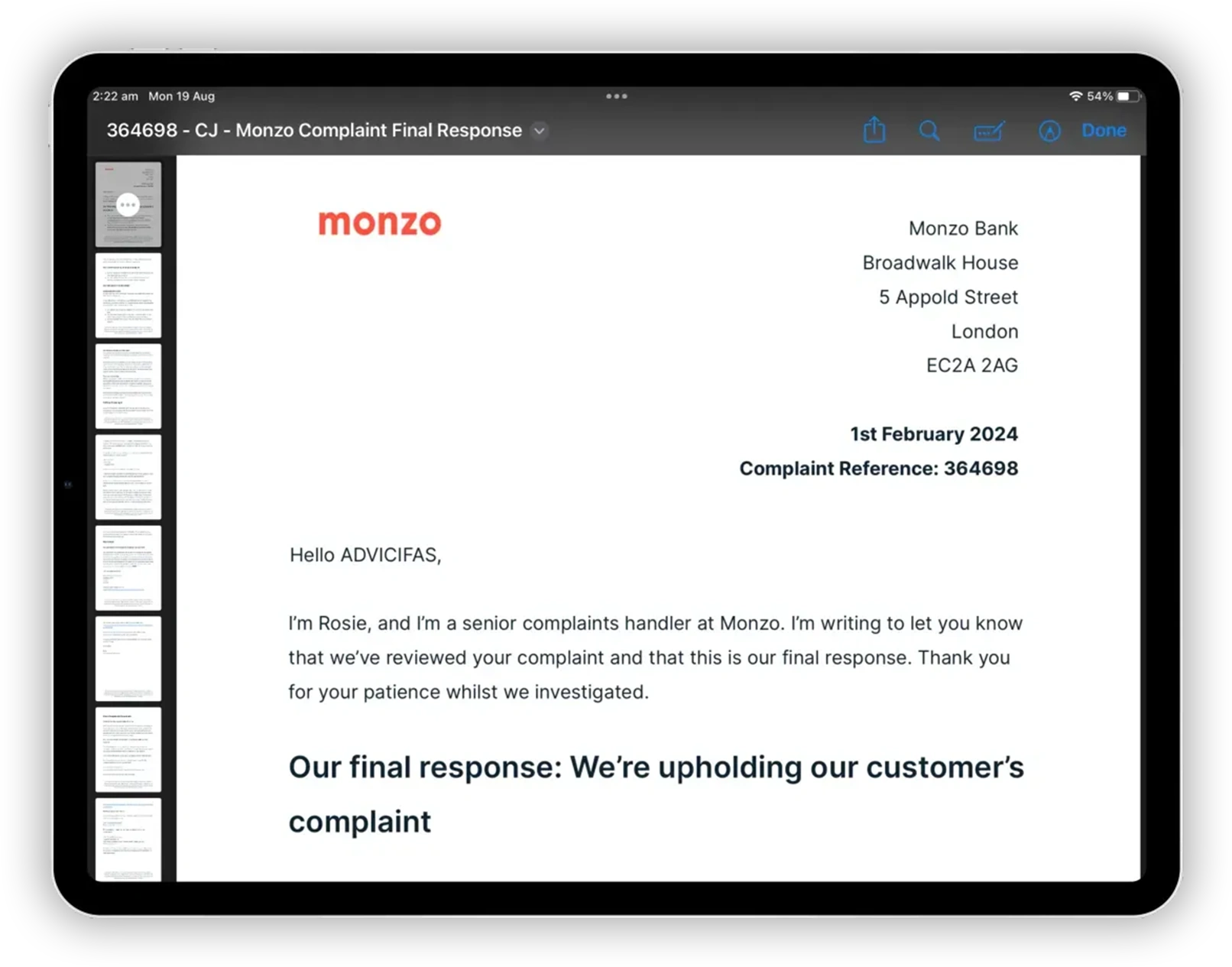
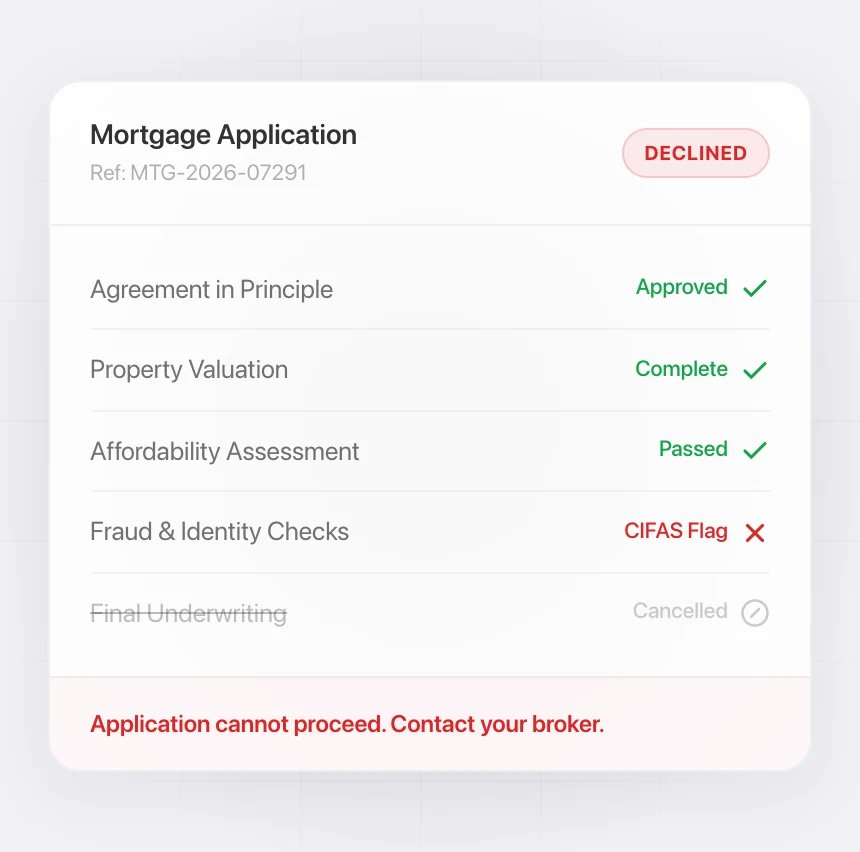
Nobody tells you when a CIFAS marker is filed against you. Under UK GDPR Article 14, the institution that files it is required to inform you that your data has been shared with a fraud prevention agency. In practice, most don't. You find out when something goes wrong: a bank account application is declined, a phone contract is refused, a job offer is withdrawn after screening.
The first sign is usually a rejection you can't explain. You've never missed a payment, your credit score is fine, you've banked with the same provider for years. But something, somewhere, is stopping you. That something is a marker on the CIFAS National Fraud Database, a private-sector fraud prevention database shared between over 500 member organisations in the UK.
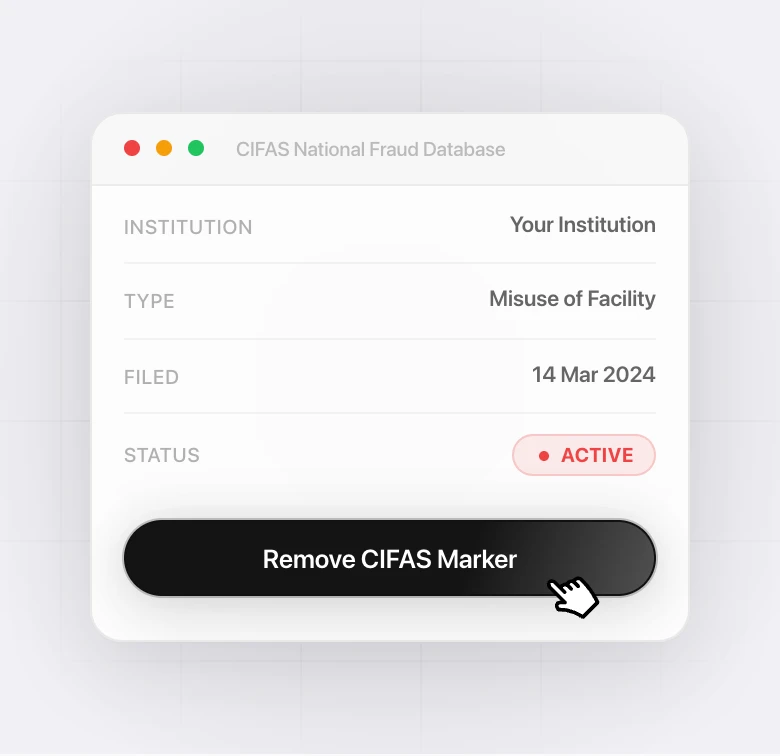
A CIFAS marker is a flag recorded by one institution (your bank, a lender, an insurer) stating that it believes fraudulent activity occurred. It is not a criminal conviction, not a court finding, and not a credit score. It sits on a separate database that most financial institutions check before offering you any product or service. If you don't know what a CIFAS marker is or how you ended up with one, read our complete guide to CIFAS markers first.
Banking becomes a daily problem
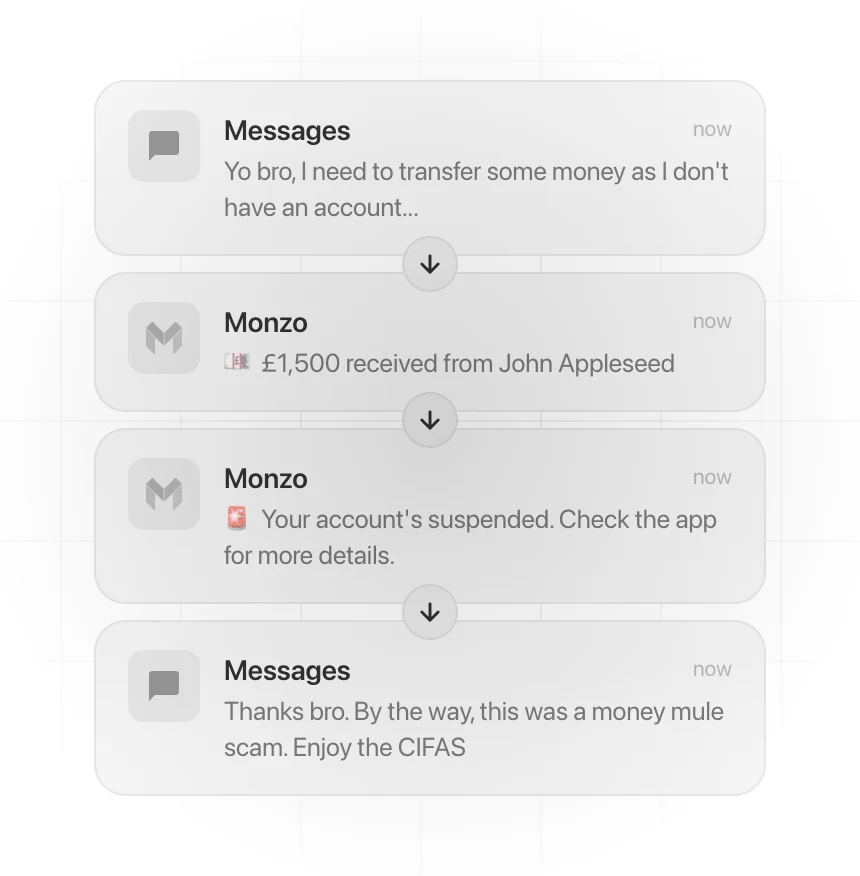
This is where most people feel it first. Your existing account might be frozen or closed without warning, sometimes by the same institution that filed the marker, sometimes by another bank that runs a routine CIFAS check on existing customers and decides you're too risky to keep. One marker can trigger a chain reaction: your main bank closes your account, you apply to another, they decline, you try a third, they decline too. Within a week you can go from a normal banking customer to someone with no account at all.
The practical impact is immediate. You can't receive your salary without a bank account. You can't pay rent by direct debit. You can't set up standing orders for bills. You can't use contactless payments. Some people end up asking family members to receive payments on their behalf, which creates its own complications and isn't sustainable. Others carry cash for everything, which in 2026 makes even simple tasks like paying for parking or topping up a travel card difficult.
There are options. Some e-money providers and smaller banks don't check CIFAS, or assess applications individually rather than auto-declining. We maintain a verified list of accounts that accept CIFAS-marked customers. It's not a permanent solution; it's a way to keep functioning while you deal with the marker itself.

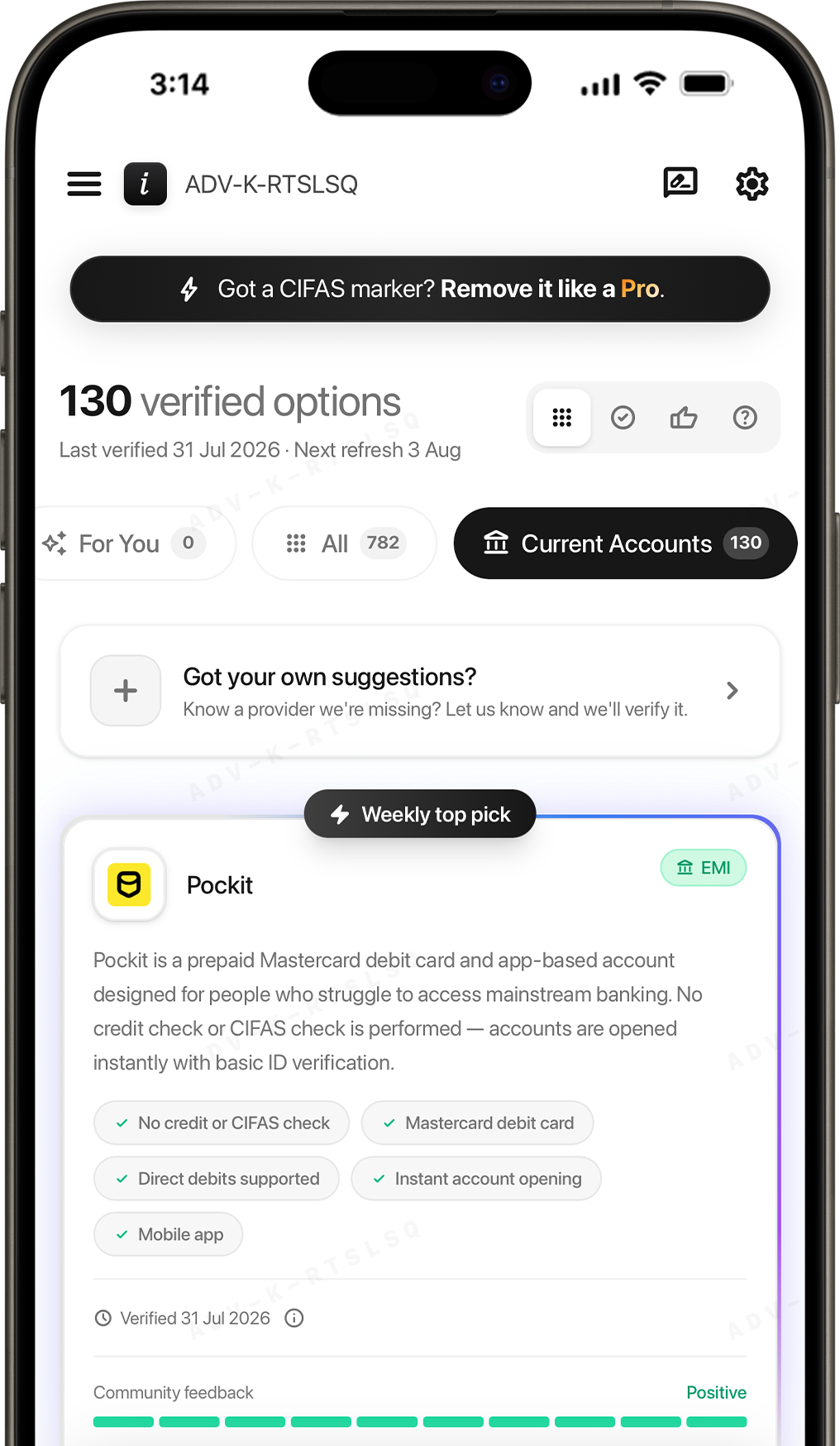
ADVICIFAS Pro Kit
Bank, Even With
a CIFAS Marker.
Stop getting rejected. We've found the ones that actually say yes. 700+ verified banks and EMIs that accept CIFAS-marked customers. £3.99/mo, cancel anytime.
Credit disappears
You can't get a credit card from any high street provider. You can't get an overdraft. You can't get a personal loan. Car finance through a dealership, declined. Store finance at Currys or Argos through providers like Novuna, declined. Your credit score is irrelevant. You can have a perfect Experian score and still be declined for everything, because the CIFAS check happens separately from the credit check, and a fraud flag overrides a clean credit history.
Some buy-now-pay-later providers like Klarna and ClearPay are not CIFAS members and don't check the National Fraud Database directly. But if the marker led to your account being closed and defaults being recorded on your credit file, those providers may still decline you based on your credit report. The marker creates a ripple effect even with providers that don't check the database itself.
Phone contracts with monthly payments are credit agreements under the Consumer Credit Act 1974. The provider runs a credit check, and if your file shows account closures or defaults from the marker, you can be declined even if the provider doesn't check CIFAS directly. The major telecoms providers (BT, Vodafone, O2, Three) are CIFAS members and do check directly.
Renting becomes harder
Most rental referencing services run credit checks, not direct CIFAS checks. But the two overlap. If the institution that filed your marker also closed your account or recorded a default, that shows on your credit file, and rental referencing companies see it. Some referencing providers use Experian or TransUnion data that can surface fraud-related flags. The result is the same: your reference comes back flagged, and the landlord picks someone else.
Getting a mortgage with an active marker is even harder. Most mortgage lenders are CIFAS members and will decline at the application stage. Even if you already have a mortgage, remortgaging at the end of a fixed term becomes a problem; you're stuck on your lender's standard variable rate because no other lender will take you.
It can cost you a job
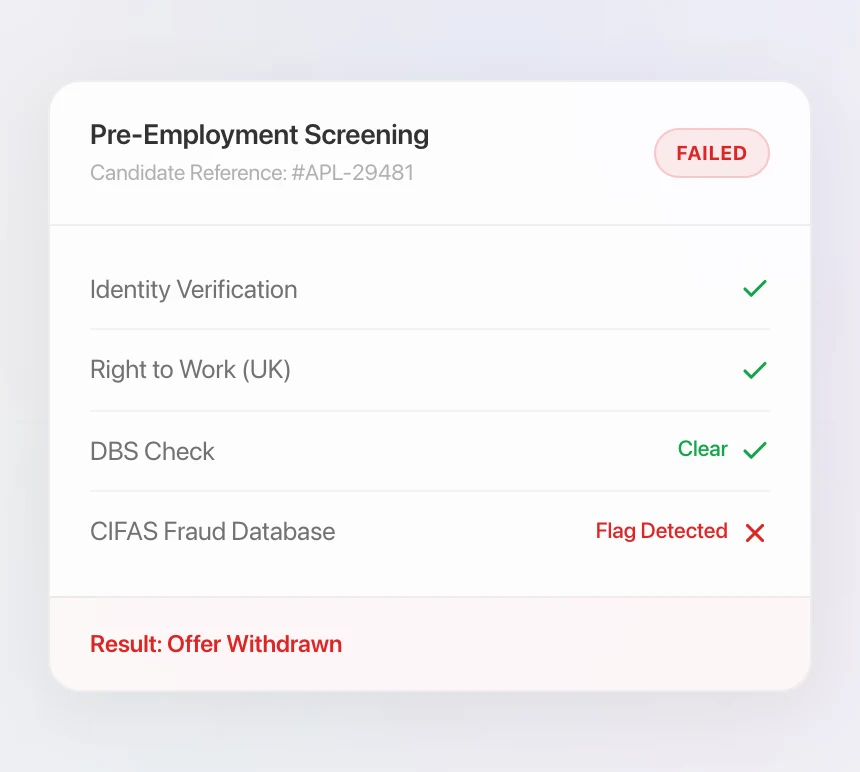
A CIFAS marker does not show on a DBS check: Basic, Standard, or Enhanced. It is not a criminal record. But employers in financial services, government, police, telecoms, and any CIFAS-member organisation can see it through pre-employment screening services like Experian Employment Check, TransUnion, or HireRight.
A conditional job offer can be withdrawn after screening reveals a fraud marker. You pass every interview, accept the offer, hand in your notice at your current job, and then get an email saying the offer has been rescinded following "adverse findings" in your background check. You're left with no job offer and no current job.
If you already have a job, you can't be dismissed just because a marker appears. But internal moves, promotions into regulated roles, and security clearance renewals can all be blocked. In financial services, anyone in a Senior Managers and Certification Regime (SM&CR) role needs to pass a fit-and-proper assessment, and a CIFAS marker will cause that assessment to fail.
You are not legally required to disclose a CIFAS marker to an employer. It is not a criminal conviction and is not covered by the Rehabilitation of Offenders Act 1974. For the full breakdown of which industries check, your rights, and what to do if an offer is withdrawn, read our detailed guide on CIFAS markers and employment.
Insurance gets harder too
Many major insurers are CIFAS members: Allianz, Admiral, esure, NFU Mutual, and others. A fraud marker can result in declined applications or inflated premiums. Some application forms ask whether you have ever been the subject of a fraud investigation or had a financial product refused. If you answer honestly, your premium goes up or the application is declined. If you don't disclose and they later discover it, the policy can be voided for non-disclosure of a material fact, leaving you uninsured.
Motor insurance is particularly affected. Comparison sites pull quotes from multiple insurers simultaneously, many of which run CIFAS checks. You may find that quotes are either unavailable or significantly more expensive than they were before the marker was filed. The irony is that the marker has nothing to do with your driving, but it affects your ability to insure a car.
The part nobody talks about
A CIFAS marker is a fraud allegation. It brands you as a fraudster on a national database, without a court hearing, without a conviction, often without you even knowing it happened until something goes wrong. The psychological weight of that is real and it compounds over time.
Every declined application is a reminder. Every form that asks about fraud history triggers anxiety. You start second-guessing whether to apply for anything because the rejection itself is humiliating, especially when you can't explain why it's happening. The feeling of being silently excluded from normal life creates a constant low-level stress that affects sleep, relationships, and confidence. People describe it as feeling like they've been convicted of something they didn't do: except there was never a trial, never a chance to defend themselves, and the sentence is six years.
The Financial Ombudsman Service has recognised the impact markers have on individuals. In multiple decisions, the ombudsman has ordered compensation for the distress caused by unfairly filed markers, acknowledging that the consequences go far beyond a declined application. For the person on the receiving end, especially when the marker was filed without adequate evidence or without being contacted first, it feels like punishment without due process.
How long does a CIFAS marker last?
Most CIFAS markers remain on the National Fraud Database for six years from the date they were filed. During the entire six-year period, every CIFAS member that checks the database will see the marker. The specific durations by marker type:
- First-party fraud markers (Misuse of Facility, False Application, Facility Takeover, Asset Conversion, Insurance Claims Fraud), 6 years.
- Protective Registration (you applied for this yourself to protect against identity fraud), 2 years, renewable.
- Victim of Impersonation / Victim of Takeover: 13 months. These are filed to protect you, not against you.
Six years is a long time to be locked out of mainstream financial services. But you do not have to wait. A CIFAS marker can be challenged and removed at any point during its active period. The institution that filed it must demonstrate, to the standard required by the CIFAS filing standards, that you acted with deliberate dishonesty. If they can't (if the evidence is thin, the investigation was inadequate, or they didn't contact you before filing), the marker should come off. The Financial Ombudsman has ordered removal in cases where institutions couldn't meet this threshold (see DRN-3854103 and DRN-4799801).
Many markers shouldn't be there
In 2025, over 106,000 Misuse of Facility markers were filed, a 43% increase on the previous year. Add False Application markers and the total number of people accused of fraud through first-party CIFAS markers exceeds 125,000 per year (CIFAS Fraudscape 2026). Not every one of those is justified. The Financial Ombudsman Service upholds a significant number of CIFAS-related complaints, ordering institutions to remove markers they couldn't properly justify. Common reasons markers get removed include:
- The institution filed the marker without contacting the individual first to hear their side
- The evidence relied upon didn't meet the CIFAS standard of proof, clear evidence of deliberate dishonesty, not just suspicion
- The individual was a victim of fraud or coercion, not a willing participant
- The institution's investigation was inadequate, automated flags treated as evidence without human review
- The marker type didn't match the actual circumstances
If any of these sound like your situation, the marker can likely be challenged successfully.
What you can do right now
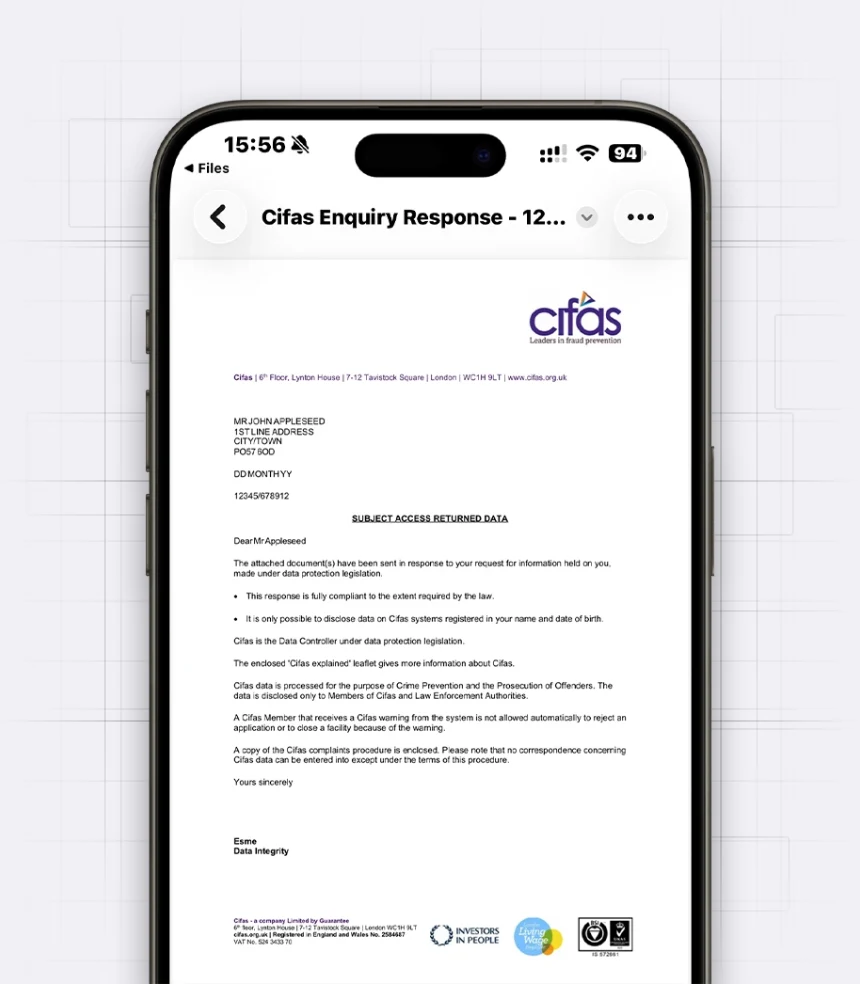
The first thing you need is information. Submit a Data Subject Access Request (DSAR) to CIFAS; it's free and they must respond within one month. The response tells you exactly what markers are filed, which institution filed each one, when it was recorded, and when it expires. Until you have this, you're fighting blind.
While you deal with the marker, you still need to function. Some banks and e-money providers accept customers with active CIFAS markers; our verified list covers the options, or use ADVICIFAS Pro Kit for the full directory with 700+ verified options across 6 categories. Getting a working bank account is step one. It doesn't solve the problem, but it stops the bleeding while you challenge the marker.
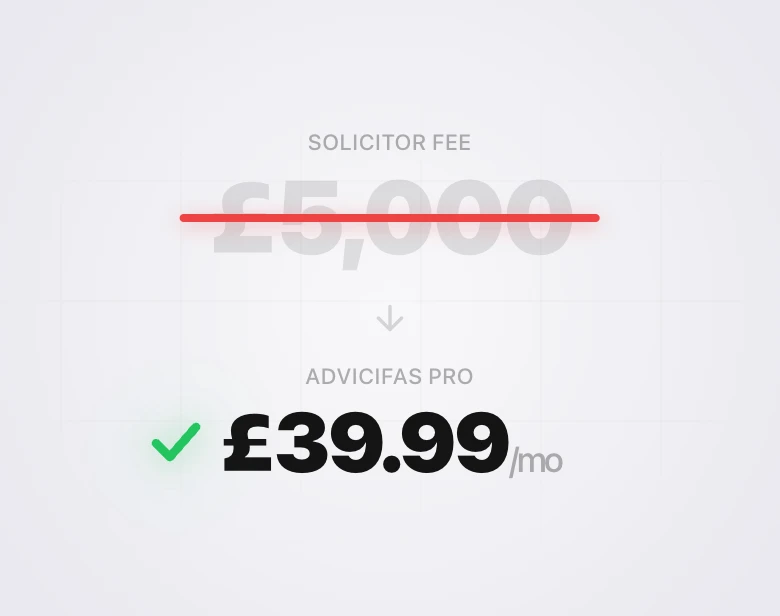
On the challenge itself: don't panic, and don't pay a solicitor. CIFAS marker removal is a complaints process, not a legal case. The Financial Ombudsman Service is free. CIFAS's own complaints process is free. Solicitors charge thousands for template letters and follow the same process you can follow yourself; the difference is the quality of the arguments, not the letterhead.
Challenging the marker is the only permanent solution. As long as it exists, it will affect every application you make. Removing it ends the problem entirely; the marker is deleted from the database with no residual trace. The challenge follows a structured path: direct complaint to the filer, CIFAS review, Financial Ombudsman referral, ICO complaint. Our CIFAS marker removal guide walks through every stage. If you were a money mule victim, the arguments are different; read the dedicated guide.
What changes when the marker is removed
Everything. When a CIFAS marker is successfully challenged and removed, it is deleted entirely from the National Fraud Database. Not suppressed, not annotated, not marked as "previously held". Gone. There is no residual trace accessible to any CIFAS member.
- Bank account applications process normally again.
- Credit applications are assessed on your actual credit history, not a fraud flag.
- Rental referencing returns clean.
- Mortgage applications become possible again.
- Pre-employment screening in regulated industries passes without a CIFAS hit.
- Insurance quotes return to normal pricing.
- Phone contracts, car finance, and buy-now-pay-later all become available again.
The marker is the root cause of every single restriction above. Removing it is not one improvement among many; it is the single action that fixes all of them at once.
The marker is the problem
Everything in this article (the declined bank accounts, the refused credit, the lost job offers, the housing problems, the insurance issues, the stress) traces back to one thing: a record on a private database that was placed there by a single institution, without independent verification, and in many cases without you even being told.
You can work around it. You can find banks that accept markers, insurers that don't check CIFAS, landlords that use referencing services that don't flag it. You can survive with a marker for six years. But you shouldn't have to, especially if the marker was filed without adequate evidence, without contacting you first, or for something that was a mistake rather than fraud.
If you're reading this because you're living with a marker right now, know this: the Financial Ombudsman orders marker removal in a significant proportion of the CIFAS cases it reviews. CIFAS itself upholds only around 17% of complaints through its own process, which means the vast majority of challenges need to go further, and many succeed when they do. The institution that filed yours may not be able to justify it under the filing standards, and if they can't, it comes off. Not after six years. Now.