The calls everyone is getting
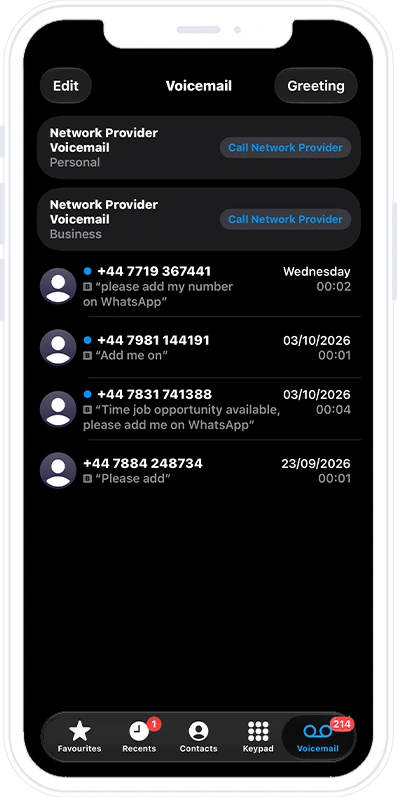
If your voicemail looks like the one above, you are not alone. People across the UK are getting calls from ordinary-looking +44 7 mobile numbers. Sometimes there is a real voice, sometimes a recording, and the message is almost always the same: "please add my number on WhatsApp". Some say there's a "job opportunity available". Some claim to be from Indeed's human resources team . Most last a second or two.
The call itself is not the scam. It is the front door. The only thing the caller wants is for you to add the number and say hello on WhatsApp, because once you do, the conversation moves somewhere your bank can't see, your phone network can't filter, and the caller can send you links, group invites and "job offers" at will.
Telephone fraud is not small. According to UK Finance's Annual Fraud Report 2026 , criminals stole £1.28 billion through payment fraud in 2025. Authorised push payment fraud, where victims are tricked into sending money themselves, rose 19% to £576.4 million across 248,070 cases. And while most of those cases started online, the 17% that started with a call or a text accounted for 28% of all losses: the phone is where the expensive scams begin.
What happens when you add the number
There are three common routes once you're on WhatsApp. They often overlap.
1. The "job" (a task scam)
You're offered flexible remote work: liking posts, rating apps, reviewing hotels or restaurants, a few minutes a day for good money, no experience needed. Lloyds Banking Group reported that fake job scams rose 237% in the first half of 2025. Victims lost £1,420 on average, 7% lost more than £5,000, and 53% were aged 18 to 34. More than half of those scams started on social media.
2. The "investment"
You're added to a group where "members" post screenshots of returns, and a friendly "mentor" offers to help you start trading. Investment fraud cost victims £221.5 million in 2025, up 40%, according to UK Finance .
3. The account takeover
Some callers want your WhatsApp account itself. They send you a six-digit code and ask you to read it back, usually with a story about verifying you for the job. That code is WhatsApp's registration code for your number. Read it out and they can log into your account and message everyone you know, asking for money in your name.
The £7 job that ends in a CIFAS marker
This is the part almost nobody warns you about, and it's the part we see at ADVICIFAS. We have had CIFAS markers removed for people who were caught in exactly this scam, and the pattern is nearly always the same.
Step one: a tiny, real payment
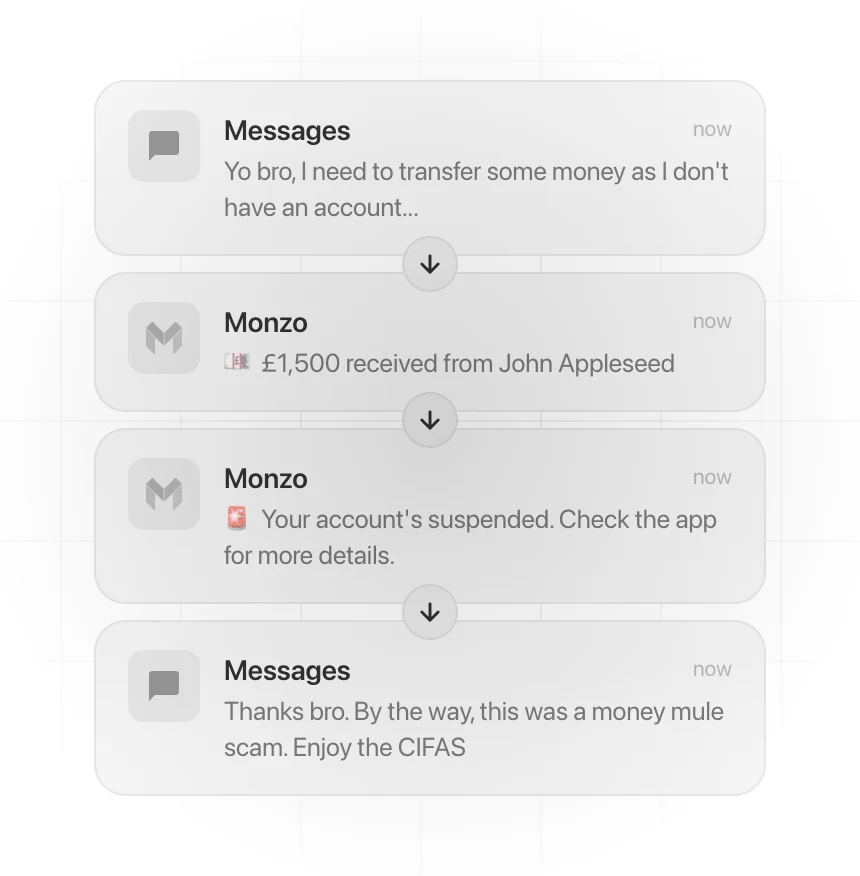
You're asked to do something trivial: leave a review of a random business on Google, or like and comment on a TikTok post. You send a screenshot. A few minutes later, £7 lands in your bank account. It's real money, it arrived quickly, and it makes everything that follows feel legitimate.
Step two: the team
You're added to a group of other "employees" who post their earnings, thank the "manager" and cheer each other on. Many of them are fake accounts. Some are real people, just as convinced as you are.
Step three: bigger payments to pass on
Then the work changes. You're told the company pays its team through members, or that you've been promoted to help "process payments". Larger sums start arriving in your account from people you've never heard of, and you're told to send them on to other "employees", sometimes keeping a cut, sometimes all of it going straight back out.
What is actually happening is money laundering. The money coming in has been stolen from other scam victims, people who paid for goods that never arrived or "invested" in a fake platform. Your account is being used to break the trail between the victim and the criminals. That makes you a money mule, whether you knew it or not.
Step four: the bank shuts the door
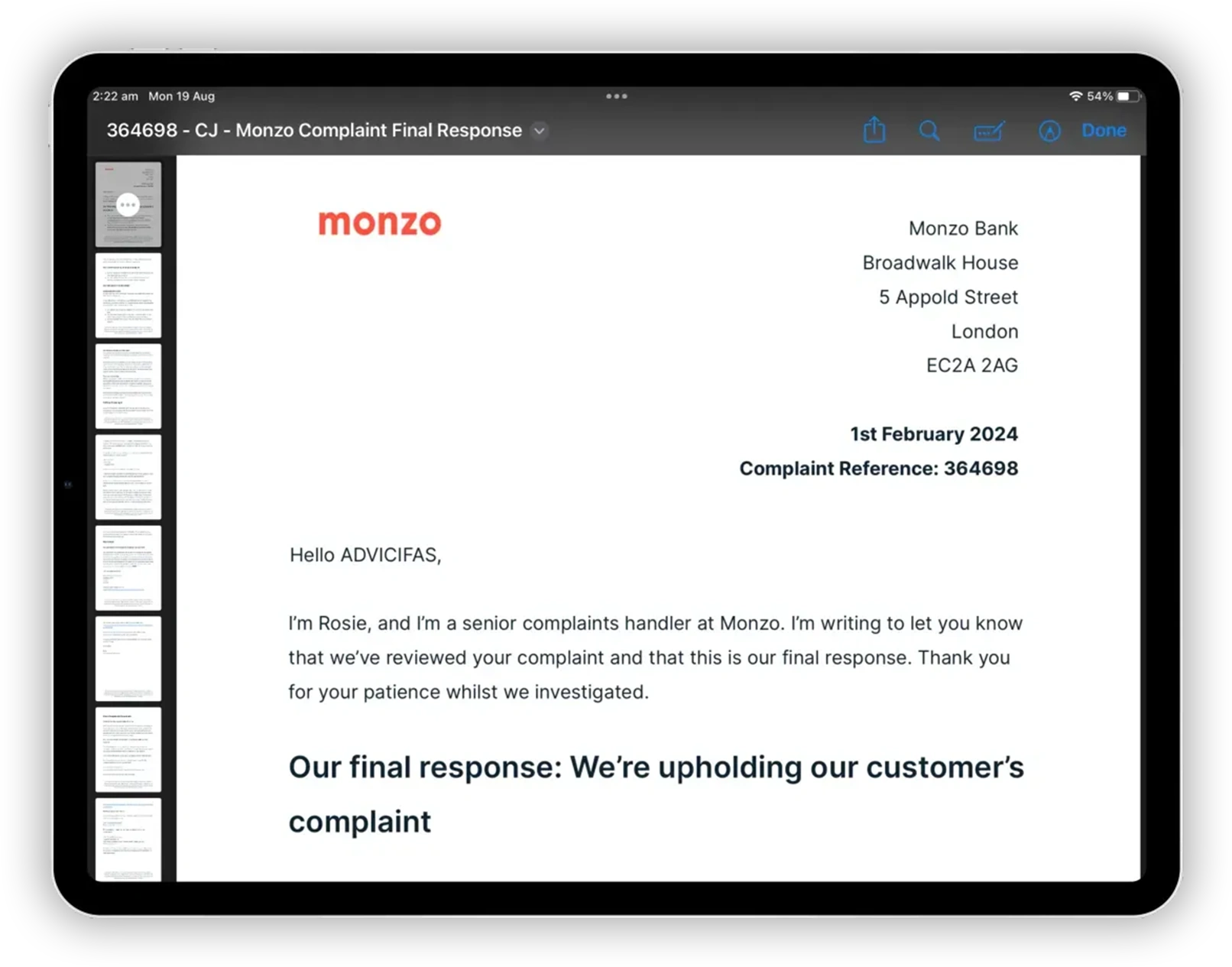
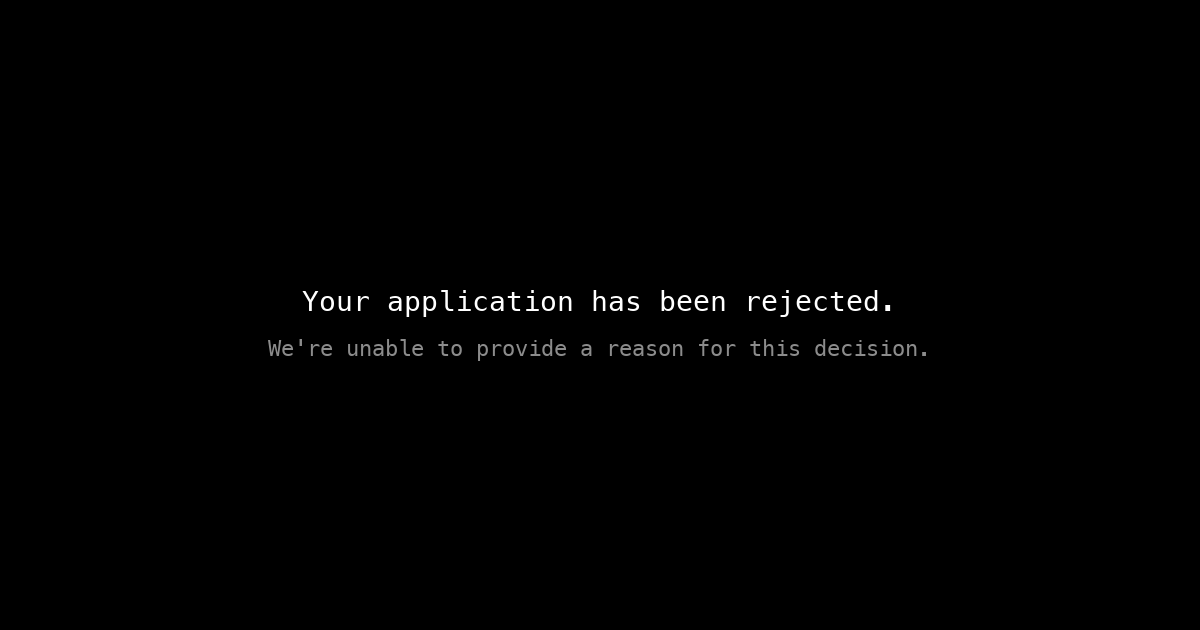
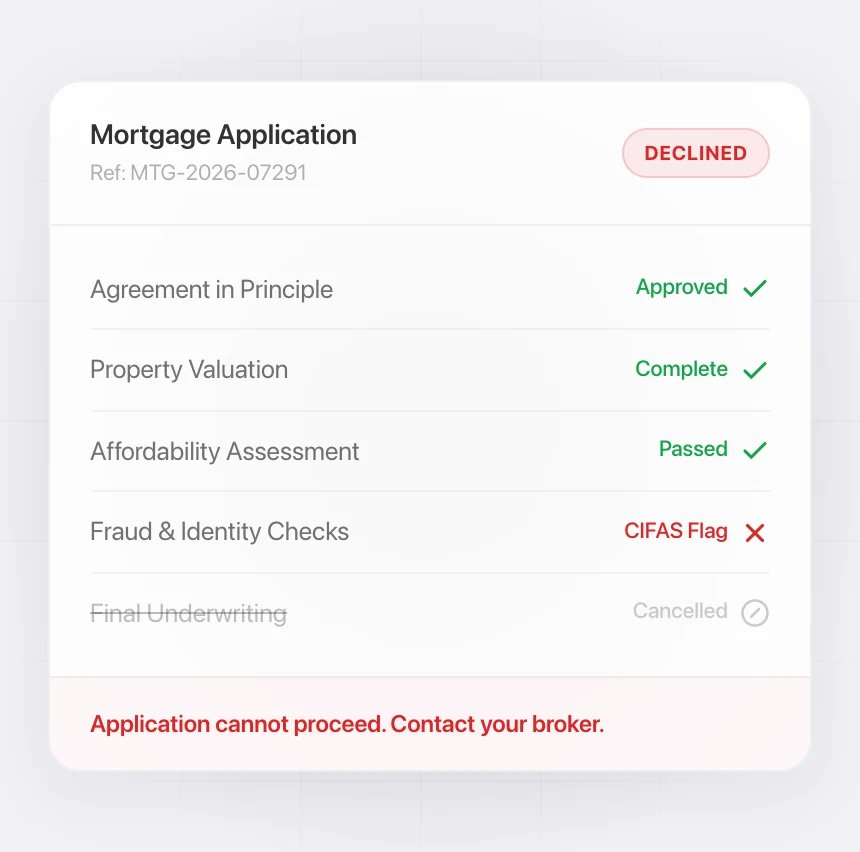
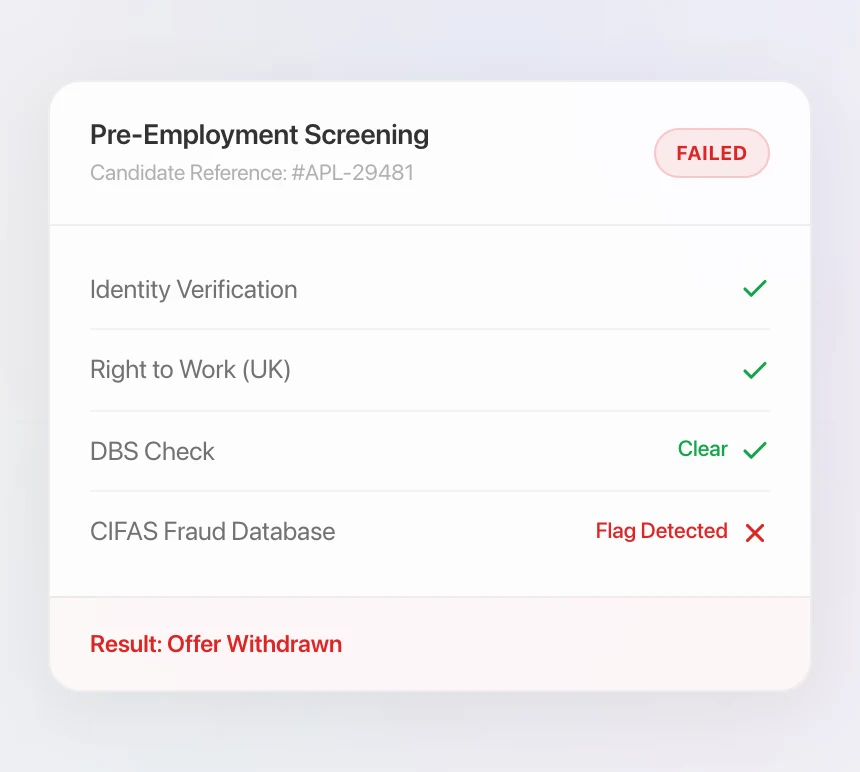
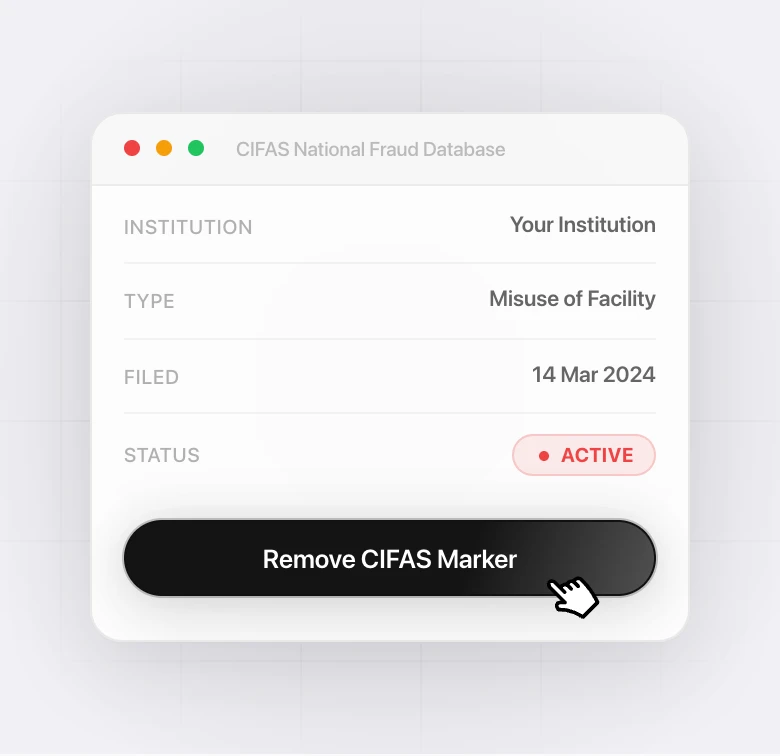
The victims report the payments to their banks. Their banks report them to yours. Your account is frozen, often with your own wages trapped inside it, then closed. And very often your bank files a Misuse of Facility marker against you on the CIFAS National Fraud Database, where it can stay for up to six years and is seen by every bank, lender and phone network that checks it.
The £7 is the bait. Nobody pays you to like a TikTok post. If anyone asks you to receive money into your account and send it on, stop: whatever they call it, that is how money mules are made.
How big this has become
CIFAS's Fraudscape 2026 half-year update , published in August 2026, shows how fast this is growing:
- Nearly 13,000 cases pointing to money mule activity were filed to the National Fraud Database between January and June 2026.
- That is a 70% rise on the first half of 2025.
- Money mule cases now make up 30% of all Misuse of Facility filings.
- 57% of mule cases involve someone under 30, and 17% involve someone under 21.
Those are not 13,000 criminals. A large share of them are students, job seekers and young people who answered a message like the ones above, did a few easy tasks, and let money pass through their account because they were told it was their job.
Where did they get your number?
The first question most people ask is how a stranger got their mobile number in the first place. The honest answer is that your number has almost certainly been in someone else's hands for years.
Data breaches
In 2021, the personal details of 533 million Facebook users, including phone numbers, were published free online, among them around 11 million people in the UK. The government pointed people to Have I Been Pwned to check whether they were affected. And phone retailers are not immune: the Information Commissioner's Office fined Carphone Warehouse £400,000 after a cyber attack exposed the personal data of more than three million customers, including their phone numbers.
Your details being shared and sold
Not every list of numbers comes from a hack. When you sign up for a phone contract, a comparison site, a competition or a store account, the small print can include consent to marketing and to sharing your details with "selected partners". Once your details are shared, you have little control over where they go next. The ICO's two-year investigation into data broking found the UK's big credit reference agencies were trading people's personal data for direct marketing without their knowledge , and in 2020 it issued an enforcement notice to Experian, which Experian later overturned on appeal . Whatever the legal outcome, it shows how widely ordinary people's details move between companies.
What you can do about it
- Check Have I Been Pwned . Search your email address, and for some breaches (such as the Facebook leak) your phone number, written with 44 in place of the first 0.
- Withdraw marketing consent. Ask your phone network, and any company you've given your number to, to stop using your details for marketing and stop sharing them. Under Article 21 of the UK GDPR , your right to object to direct marketing is absolute: they have to stop.
- Ask what they've shared. A subject access request to your network will show what they hold about you and who they've shared it with.
- Register with the Telephone Preference Service . It won't stop criminals, who ignore it, but it cuts down legitimate sales calls, which makes the rest easier to spot.
How to protect yourself
- Don't add the number, don't call back. A real employer or recruiter will email you, has a website, and doesn't need you on WhatsApp to offer you a job.
- Don't trust a UK number just because it looks local. Criminals abroad routinely fake ("spoof") UK mobile numbers. Ofcom's July 2026 rules require networks to withhold UK mobile numbers on calls from abroad they can't verify, but those rules are still being rolled out.
- Forward scam texts to 7726. It's free, and it lets your network block the number for everyone.
- Never share a WhatsApp verification code. Turn on two-step verification in WhatsApp under Settings, Account, Two-step verification, so a stolen code isn't enough to take over your account.
- Nobody legitimate pays you to like, review or rate things. Fake reviews and paid engagement break the platforms' own rules; a "job" built on them is a scam from day one.
- Never let money pass through your account for someone else. Not for a job, not for a friend, not for a percentage. If money arrives that you weren't expecting, tell your bank and don't move it.
If you've already been caught
If you did the tasks, received the payments and sent money on, act now.
1. Stop, and tell your bank
Don't send anything else, even if the "manager" tells you a payment is stuck or you owe a fee to release your earnings. Call your bank, explain exactly what happened, and tell them you believe you were deceived.
2. Report it
In England, Wales and Northern Ireland, report it to Report Fraud , the national service that replaced Action Fraud in December 2025 , online or on 0300 123 2040. In Scotland, report it to Police Scotland on 101.
3. Keep everything
Screenshot the voicemails, the WhatsApp chats, the group, the "job" description, the task instructions and every payment. This is your evidence that you were recruited and deceived, and it matters if a marker is filed. Moving money for criminals is a serious offence under the Proceeds of Crime Act 2002 , with a maximum sentence of 14 years . What separates a victim from a criminal is what you knew, and your messages are how you show it.
4. Find out whether a marker was filed
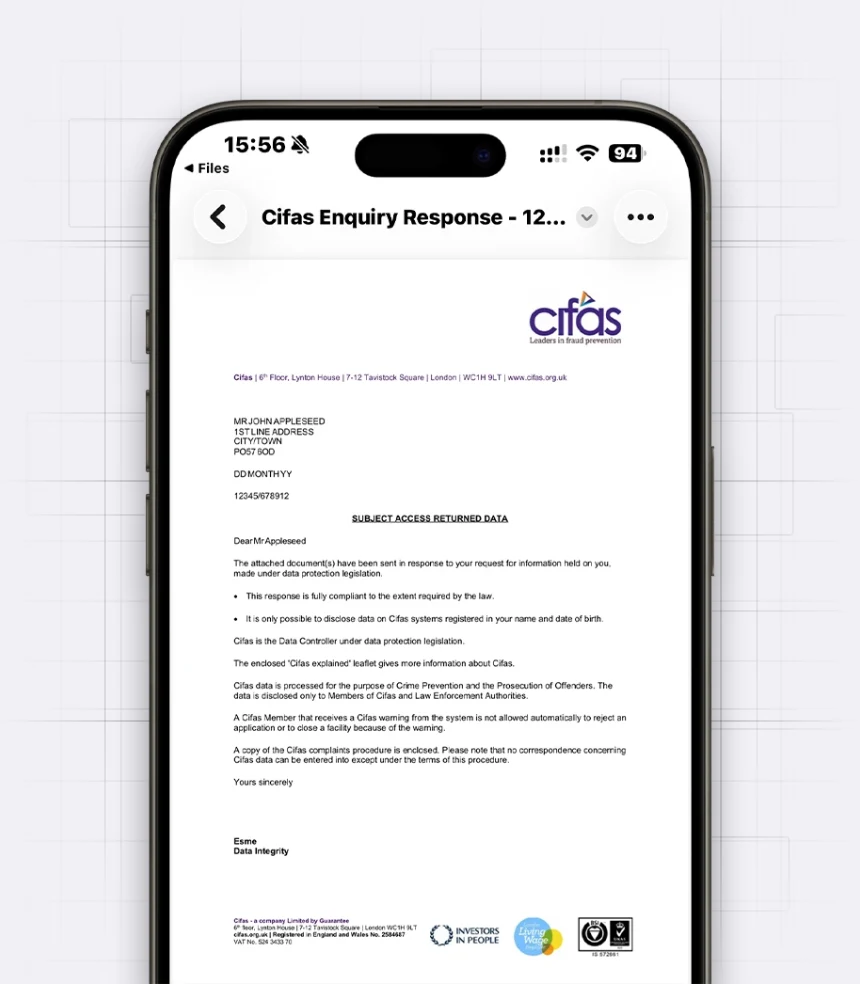
If your account was closed, or you're suddenly being declined for new accounts, request your report from CIFAS . It will show whether a marker was filed, which institution filed it, and when.
5. Challenge the marker
A Misuse of Facility marker is meant to record deliberate dishonesty: that you knew the money was criminal and moved it anyway. Being tricked is not the same thing, and the Financial Ombudsman Service has said so. In DRN-3119814 , upholding a complaint against Barclays and removing the marker, the ombudsman said: "I think it is most likely that Mr G was an unwitting money mule – and so Barclays doesn't have enough to maintain the Cifas marker."
The bank has to show what you knew and intended, on clear, relevant and rigorous evidence. A screenshot of a £7 TikTok task and a WhatsApp group full of "colleagues" is often the clearest proof that you didn't. Our guide for people who were used as a money mule walks through the whole challenge, and the CIFAS marker removal guide covers every stage after it. While you challenge it, see the bank accounts that accept CIFAS markers, or the full checked list in Pro Kit.

ADVICIFAS Pro
Unfairly
Labelled a Fraud
Risk by CIFAS?
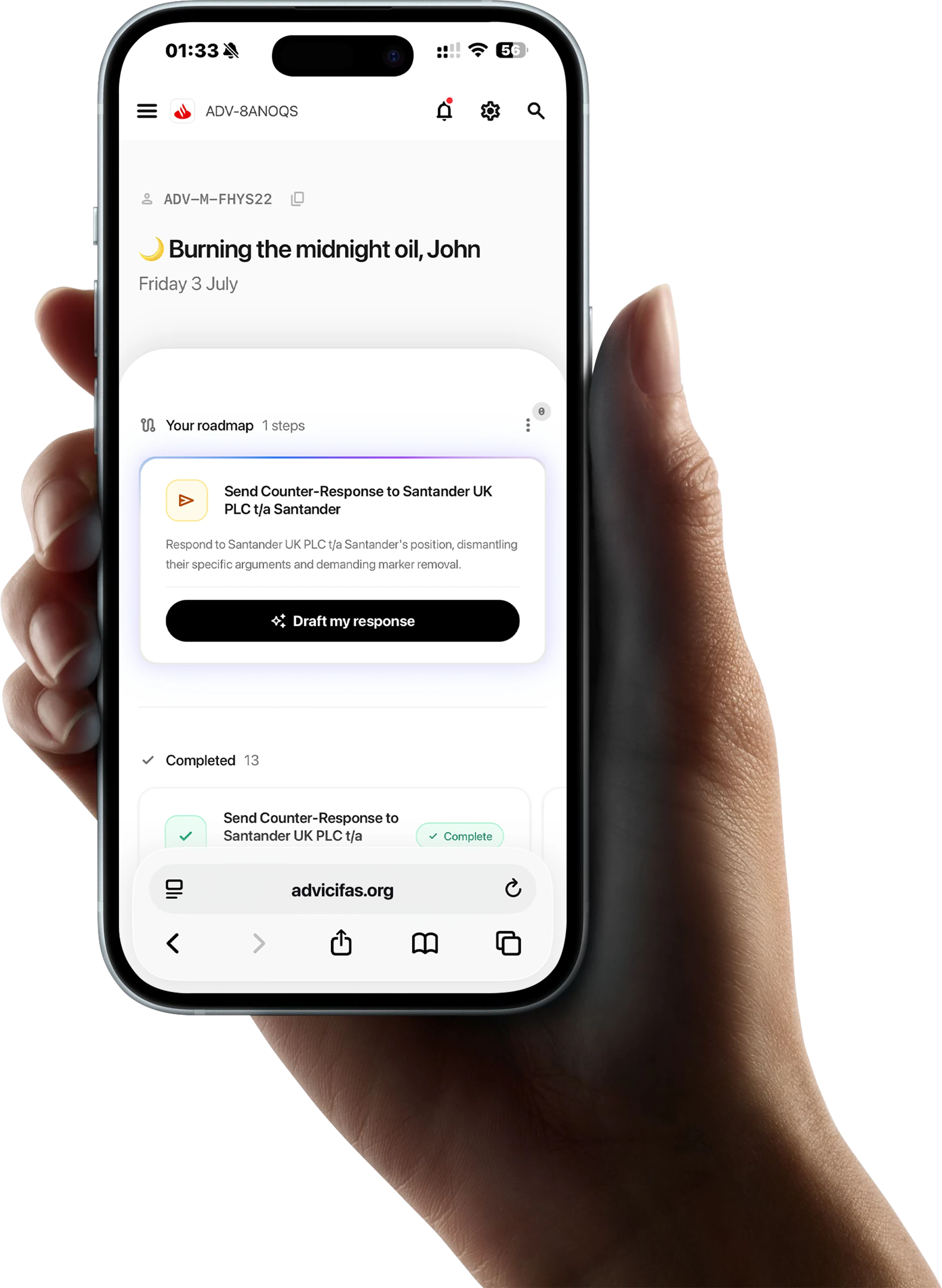
Remove It Like a Pro. Not templates. Not a solicitor. A system that builds your entire legal challenge from your report. £14.99/mo, accessible in minutes, cancel anytime.
The bottom line
"Add me on WhatsApp" sounds harmless. It's a two-second voicemail. But it is the first step in a scam that, for thousands of people every year, ends with a frozen account, a closed account and a fraud marker that can last up to six years, for money they never kept.
Don't add the number. Don't do the tasks. Never move money for anyone. And if it has already happened to you, you were a victim, not a fraudster, and the marker can be challenged. Start your challenge with ADVICIFAS.